
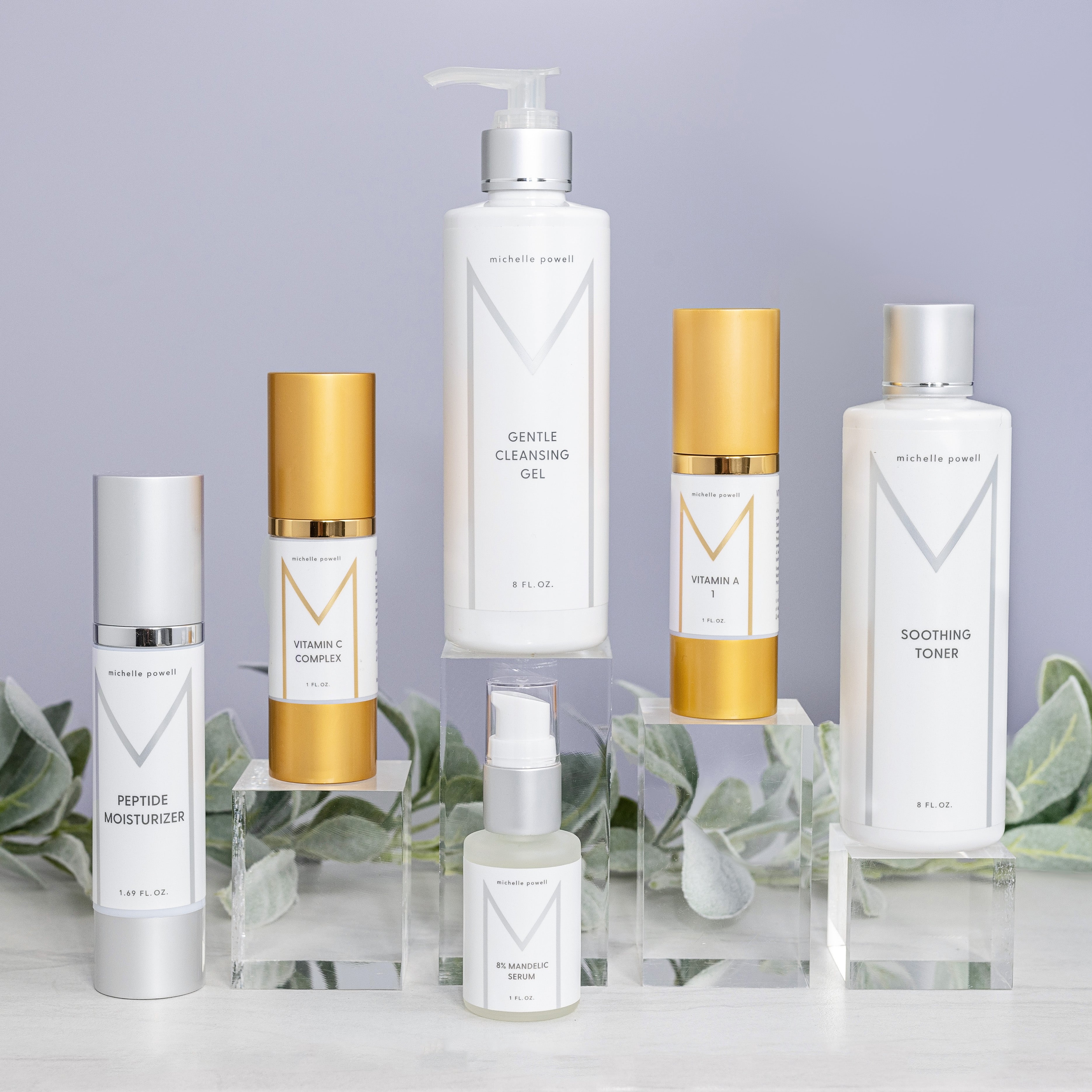

Article: What Sensitive Skin Actually Is (and What It Isn’t)
What Sensitive Skin Actually Is (and What It Isn’t)
Q: What is sensitive skin, really?
Sensitive skin is not a permanent skin type. It’s a state your skin enters when its protective barrier is compromised or overwhelmed. This can happen from overuse of active ingredients, harsh cleansing, environmental stress, illness, or even sudden lifestyle changes.
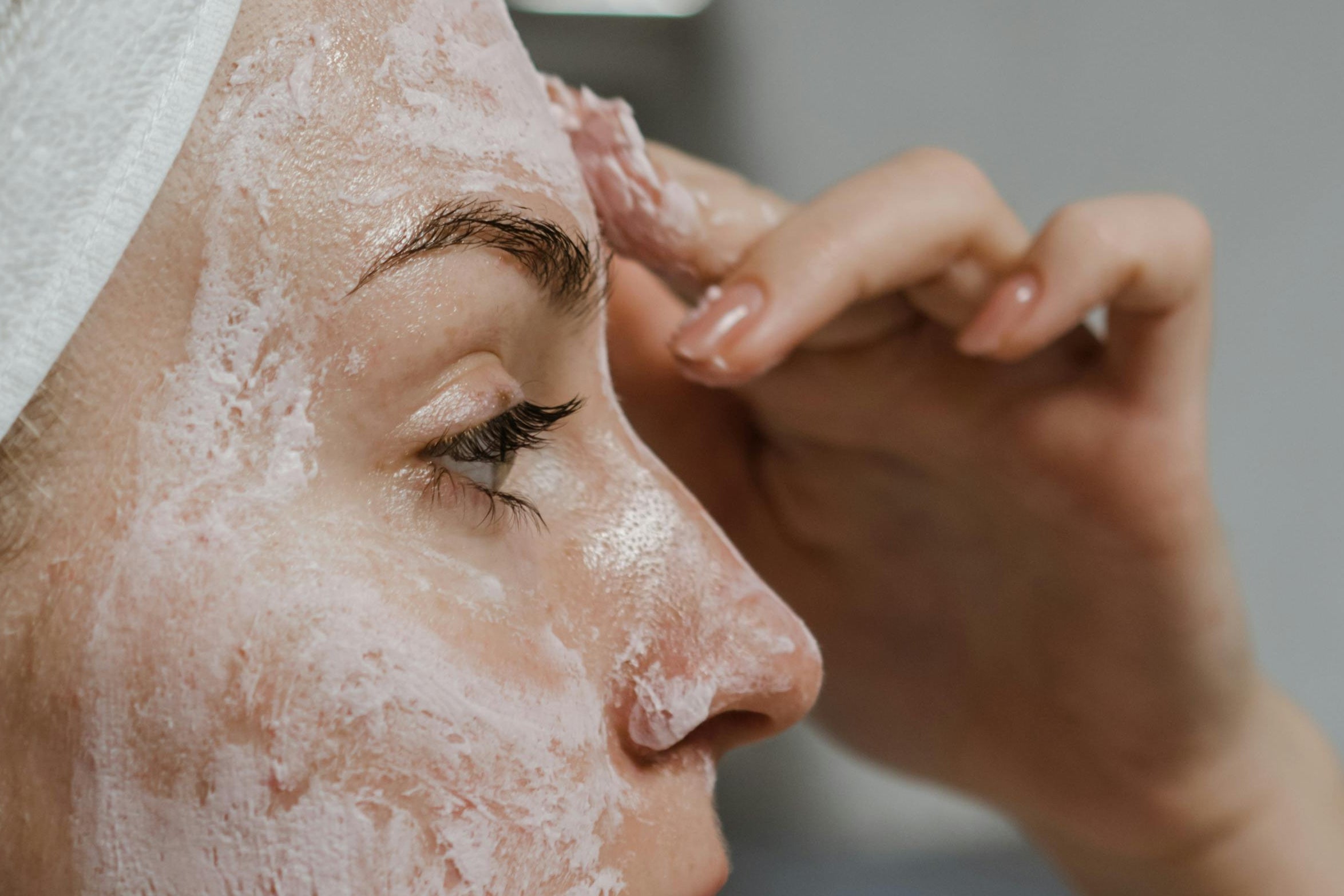
When the barrier is weakened, skin becomes reactive. Products sting. Redness appears more easily. Things that used to work suddenly don’t.
Q: How do I know if my skin is sensitive or just irritated?
If your skin burns, stings, flushes easily, or reacts unpredictably, it’s likely sensitized. True sensitivity often shows up suddenly and feels uncomfortable, not just dry or tight.
If you’re unsure, this is where professional guidance helps. Guessing usually leads to more irritation.
Explore our educational posts about Skin Barrier Repair .
Q: What causes skin to become sensitive?
Common triggers include:
- Over exfoliation
- Too many active ingredients at once
- Switching products too frequently
- Stress and hormonal changes
- Weather and environmental shifts
Sensitive skin is often a signal to slow down, not push harder.
Q: Can sensitive skin be repaired?
Yes. In most cases, sensitivity improves when the barrier is supported and the routine is simplified. That means fewer products, gentler formulas, and patience.
Q: When should I seek professional help?
If your skin reacts to everything or you feel afraid to try anything new, that’s a strong sign you’d benefit from guidance.
Skincare Consultation & Treatments

Leave a comment
This site is protected by hCaptcha and the hCaptcha Privacy Policy and Terms of Service apply.