
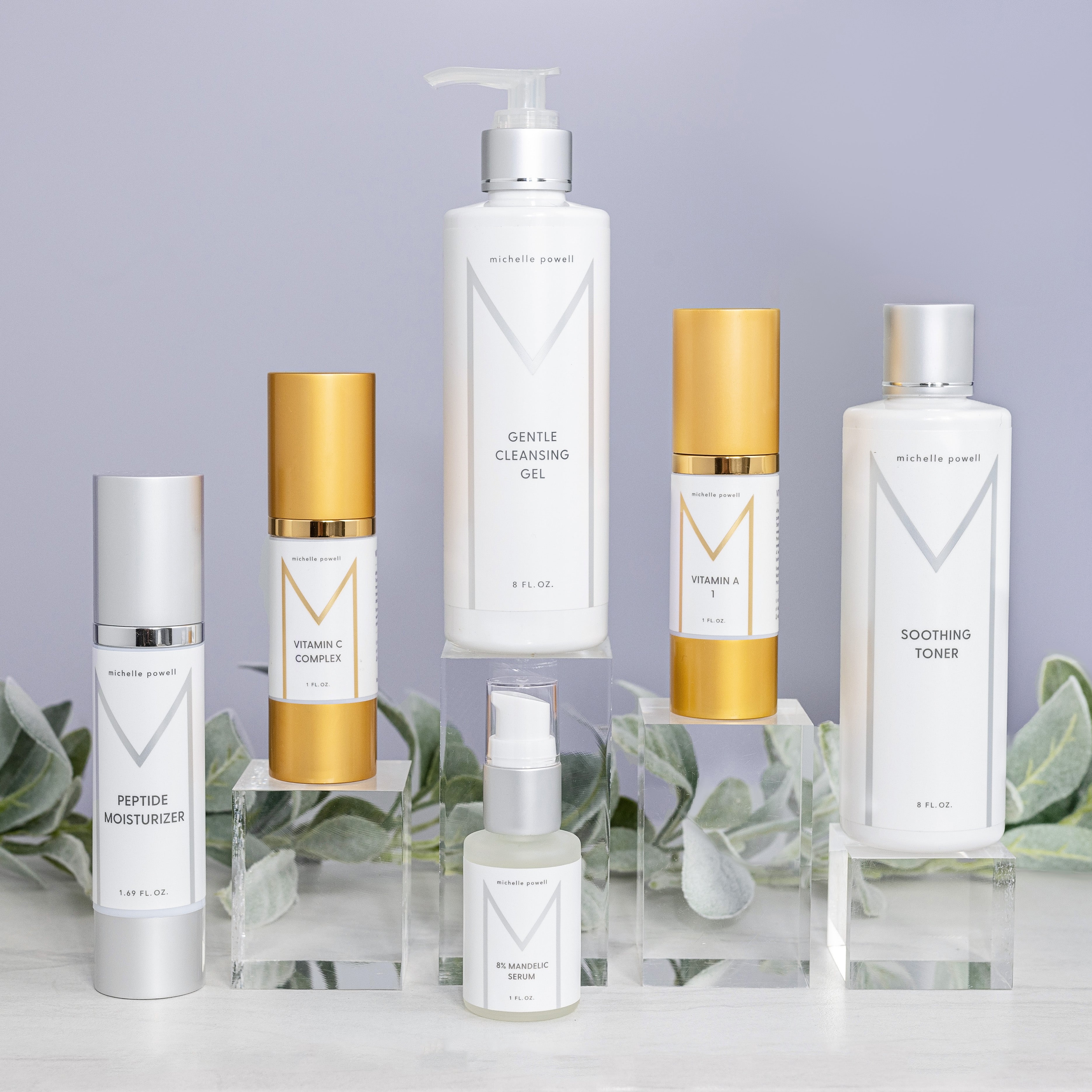
Article: Why Is My Skin Suddenly Sensitive Even Though I’ve Never Had Sensitive Skin?
Why Is My Skin Suddenly Sensitive Even Though I’ve Never Had Sensitive Skin?
If your skin has recently started reacting to products you’ve used for years, feeling tight, itchy, red, or irritated, you’re not imagining it. One of the most common questions people ask is why their skin suddenly feels sensitive when it never used to be.
Skin sensitivity can develop at any stage of life, and it often has more to do with changes happening beneath the surface than with your skin type itself.
What causes sudden skin sensitivity?
Sudden skin sensitivity is usually the result of a weakened skin barrier. The barrier is responsible for keeping moisture in and irritants out. When it becomes compromised, the skin reacts more easily to products, weather, and even water.
Common triggers include over-exfoliation, long-term use of active ingredients, environmental stressors, hormonal shifts, and changes in routine. Even if your skin tolerated these factors in the past, cumulative damage can eventually show up as sensitivity.
Can skincare products trigger sensitivity over time?
Yes. This is one of the most overlooked causes.
Using strong actives too frequently, layering multiple exfoliating ingredients, or constantly switching products can slowly disrupt the skin barrier. Sensitivity doesn’t always happen overnight. It often develops gradually, which is why it can feel confusing when it suddenly becomes noticeable.
Products with fragrance, essential oils, or alcohol can also contribute, especially as the skin becomes less resilient with age or hormonal changes.
Is stress or hormones a factor?
Absolutely.
Hormonal changes related to perimenopause, menopause, pregnancy, or even monthly cycles can alter how the skin functions. Stress increases cortisol levels, which can impair barrier repair and increase inflammation in the skin.
This is why many people notice new sensitivity during periods of emotional stress, lack of sleep, or major life transitions, even if their skincare routine hasn’t changed.
How do I calm my skin quickly when sensitivity appears?
The first step is to simplify.
Pause active ingredients such as exfoliants, retinoids, and strong treatments. Focus instead on gentle cleansing, hydration, and barrier support. Using fewer products gives your skin a chance to reset and repair.
Look for calming, barrier-supportive formulas and avoid introducing anything new until the skin feels stable again. Cooling sensations, burning, or prolonged stinging are signs your skin needs rest, not more treatment.
How long does sudden sensitivity usually last?
This depends on how quickly the skin barrier is supported.
With a simplified routine and barrier-focused care, many people notice improvement within one to three weeks. Continuing to push through irritation, however, can extend sensitivity and lead to chronic reactivity.
Patience is key. Skin heals best when it feels safe.
So why does this happen even if I never had sensitive skin before?
Skin is dynamic. Age, hormones, lifestyle, stress, and product use all influence how resilient it is over time. Developing sensitivity does not mean your skin is “bad” or permanently damaged. It means it’s asking for support.
When you listen early, sensitivity is often temporary and reversible.
If you’re experiencing sudden sensitivity and aren’t sure how to adjust your routine, explore our skincare education hub for barrier-support guidance, or schedule a consultation for personalized support based on your skin’s current needs.

Leave a comment
This site is protected by hCaptcha and the hCaptcha Privacy Policy and Terms of Service apply.